Sewage Backup & Black Water Cleanup in Madison, AL
Sewage backups and black water losses carry contamination concerns that require extra caution. Madison Water Damage Restoration provides contaminated water removal, material evaluation, and cleanup for residential and commercial properties in Madison, Alabama, following careful procedures suited to Category 3 water.
Need Help After a Sewage Backup in Madison?
Sewage backup and black water cleanup is the removal of Category 3 contaminated water, evaluation of affected porous materials, and cleaning of affected areas. Because this water may carry pathogens, direct contact should be avoided and affected porous materials are often removed. Call Madison Water Damage Restoration at (256) 588-8480 for sewage cleanup in Madison, AL.
Why Sewage and Black Water Require Extra Caution
Black water, or Category 3 water, is water that may carry contamination from sewage, ground surface water, or other sources. It is handled differently than a clean supply-line leak because of the contamination concerns involved.
Category 3 water may carry pathogens and other contaminants. Direct contact is a concern, and porous materials that have absorbed this water are often removed rather than dried in place. Unlike a clean water loss, the goal is not only to remove water but to address the contamination it leaves behind.
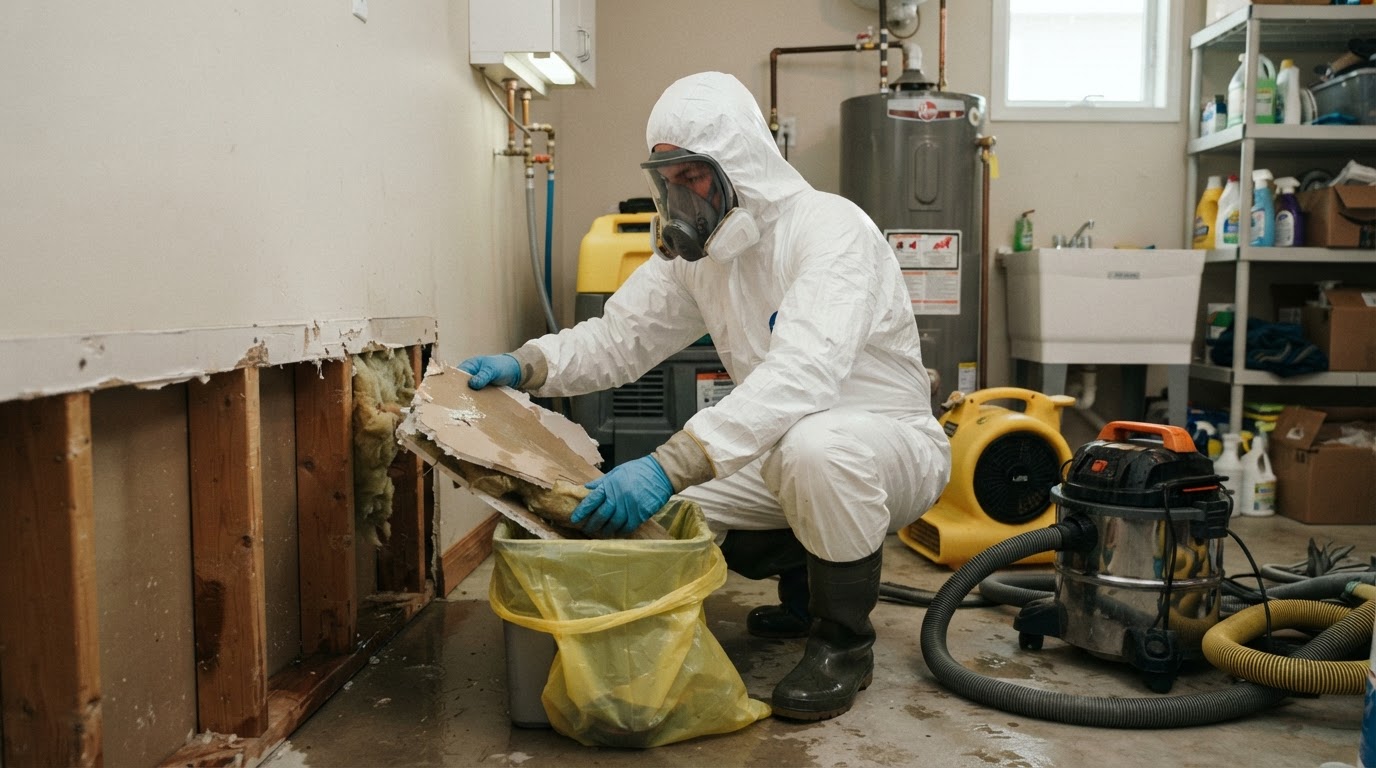
Porous materials such as carpet and padding, drywall, and insulation that have absorbed black water generally cannot be effectively salvaged. The decision to remove materials depends on the material type, the extent of contamination, and how long exposure lasted.
Cross-contamination is a concern as people and equipment move through affected areas. Restricting access and containing the work area helps limit spread to unaffected parts of the property. Avoid entering affected areas when electrical or other hazards may be present.
Is Sewage Water Considered Contaminated?
Yes. Water from a sewage backup, a drain backup containing waste, or ground flood water is generally treated as Category 3, meaning it may carry contamination. This is why it requires different handling than a clean water supply-line leak, including evaluation of porous materials for removal and careful cleaning of affected areas.
Sewage Backup Cleanup Process Near Madison
Cleanup of a sewage loss follows careful steps because of the contamination involved. The appropriate approach depends on the source, the materials affected, and how far the contaminated water migrated.
- 1
Restrict Access to Affected Areas
Limit entry to the contaminated area to reduce direct contact and cross-contamination. Avoid walking through contaminated water, especially where electrical or other hazards may be present.
- 2
Evaluate the Water Source and Extent
Confirm the source of the backup and identify how far the water has spread, including under flooring and behind baseboards, before planning removal.
- 3
Remove Contaminated Water
Standing water is extracted with equipment suited to the situation, keeping contamination contained during removal.
- 4
Evaluate Porous Materials
Carpet, padding, drywall, insulation, and other porous materials that absorbed Category 3 water are evaluated for removal. Not all materials can be sanitized or saved.
- 5
Clean Affected Areas
Remaining surfaces are cleaned according to the situation, and affected areas are treated based on the contamination level.
- 6
Dry Remaining Structure Where Appropriate
After contaminated materials are addressed, any remaining structural moisture is dried with air movers and dehumidifiers, and the area is reassessed.
Water spreading through your property?
Fast action can help reduce additional water damage. Call Madison Water Damage Restoration now for water removal and drying assistance.
Materials Commonly Affected by Sewage Backups
Because Category 3 water is treated with extra caution, material decisions are more conservative than with clean water losses. Porous materials that absorbed contaminated water are typically removed.
Carpet and padding are usually removed after a sewage backup rather than dried in place, because padding in particular absorbs and holds contamination that is not effectively addressed by extraction alone. Flooring beneath the carpet is then evaluated.
Drywall that has been in contact with black water is generally removed to a point above the visible water line, because drywall absorbs contamination upward through capillary action. Baseboards, trim, and the wall cavities behind them are part of this evaluation.
Flooring, cabinetry, and subflooring are assessed based on material type and contamination level. Non-porous surfaces can often be cleaned, while porous cabinetry components and subfloor materials that absorbed contaminated water may need removal.
Because contaminated water migrates the same way clean water does, moisture is checked beneath flooring and inside wall cavities even after visible water is gone. Water that ran under cabinets and along subfloor seams can leave contamination behind in those concealed spaces, which is why the evaluation extends beyond what is visible on the surface. The goal is to address both the water and the contamination it carried, rather than simply drying the materials in place.
- Carpet and padding — typically removed
- Drywall — removed above the water line
- Baseboards and trim — evaluated for removal
- Insulation inside wall cavities — removed if contaminated
- Flooring and cabinetry — assessed by material type
- Subflooring — evaluated and addressed as needed
Related Water Damage Services
Sewage losses often connect to bathroom water damage and to the broader water removal and drying process.
Bathroom Overflow
Learn moreWater Extraction
Learn moreStructural Drying
Learn moreRestoration
Learn moreBecause sewage backups frequently originate in bathrooms, the toilet overflow, shower, and bathroom water damage page covers the related fixture and overflow situations. Water extraction and structural drying follow the removal of contaminated materials. Serving Madison and surrounding communities such as Huntsville, Athens, and Decatur, the company coordinates these services as the situation requires.
The related services and service-area links below connect to the rest of the water damage cluster. Use Contact Us to request sewage cleanup and Home to return to the main site.
Water Damage Restoration FAQs
Direct answers to common questions about this service in Madison, Alabama.
Need Help After a Sewage Backup?
Sewage and black water carry contamination concerns that require careful cleanup. Avoid direct contact with the water and call Madison Water Damage Restoration at (256) 588-8480 for sewage backup cleanup in Madison, Alabama.